
In this rat race, we always neglect to fight climate change and to reduce carbon emissions which directly impact on fresh air. And now, the world is looking for cleaner and more sustainable energy sources. Recently, solar and wind power have made significant progress, but it’s there’s another game-changer in the clean energy revolution, called Green hydrogen. You’ve probably heard about hydrogen fuel before, but what makes green hydrogen different? Why is it gaining so much attention from scientists, policymakers, and even big industries?
Fossil fuels are like that old gas-guzzling car are reliable but polluting. Green hydrogen, on the other hand, is like a sleek electric vehicle, but better as it produces zero emissions of carbon dioxide and has the potential to power everything right from homes to industries without harming our planet. As due to increased in air pollution, urgent need to replace fossil fuels to green hydrogen which could bring revolution.
But before we declare it the “fuel of the future,” let’s break down what green hydrogen actually is, how it’s made, and whether it’s truly as revolutionary as people claim?
What is Green Hydrogen ?
Hydrogen and Nitrogen is the most abundant element in the universe, but hydrogen on Earth, it’s usually found combined with other elements like oxygen (in water) or carbon (in fossil fuels). To use hydrogen as fuel, it must be extracted from these compounds. This is where the real challenge lies—not all hydrogen is created equal.
Types of hydrogen
- Gray hydrogen which is produced from natural gas using steam methane reforming (SMR), releases a lot of carbon dioxide. What we see in cars and bike.
- Blue hydrogen is similar to gray hydrogen, but with carbon capture technology to reduce emissions.
- Green hydrogen is the cleanest form, made by using electrolysis, a process that splits water into hydrogen and oxygen using electricity from renewable sources like wind or solar. Since no carbon dioxide is emitted in this process, it’s considered a 100% clean fuel.
The reason green hydrogen is so exciting is that it can store renewable energy, be used as a fuel for vehicles, power industries, and even replace natural gases in homes. But like any new technology, there are challenges to overcome, including high production costs and infrastructure limitations. Still, governments and industries are investing in research and scaling up production, green hydrogen could become a key player in the world’s transition to a truly sustainable energy future.
How is Green Hydrogen Produced?
Green hydrogen production relies on a simple but powerful process called electrolysis, which uses electricity to split water molecules (H₂O) into hydrogen (H₂) and oxygen (O₂). Green hydrogen is produced using renewable energy sources like wind, solar, or hydroelectric power, making it a truly sustainable fuel.
Here’s a step-by-step breakdown of how green hydrogen is made:
- Electrolysis Process: A device called an electrolyzer used to pass an electric current through water. Which release hydrogen gas (H₂) and oxygen gas (O₂) from water.
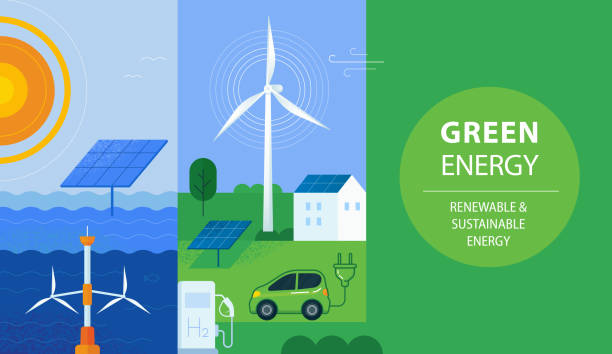
- Renewable Energy Source: The electricity required for this process comes from renewable sources like solar panels, wind farms, or hydropower.
- Hydrogen Collection & Storage: The hydrogen gas is collected, purified, and compressed for storage. Then if want can be transported through pipelines, stored in tanks, or even converted into liquid form for an easy distribution.
- Utilization: Once it get stored, green hydrogen can be used in fuel cells, industrial processes, power generation, or can become a replacement for natural gas during heating systems.
As it seems to be easy and straightforward, the main challenge is cost. Electrolysis requires a lot of energy, and currently, renewable electricity is still more expensive compared to fossil fuels. However, technology development and renewable energy becomes cheaper, the cost of green hydrogen production is expected to drop significantly, making it a more viable alternative.
For over a century, fossil fuels like coal, oil, and natural gas have powered industries, homes, and transportation systems even polluting air. Green hydrogen, on the other hand, offers a clean alternative.
Why Green Hydrogen is a Better Alternative
- No Greenhouse Gas Emissions: Means no release carbon dioxide (CO₂) in atmosphere.
- Energy Security & Independence: Countries can produce green hydrogen locally, reducing reliability on imported oil and gas.
- Future-Proof Solution: As fossil fuel reserves deplete, green hydrogen provides a sustainable long-term energy option.
Is Green Hydrogen the Future?
The answer is yes, but with which conditions. Green hydrogen is a powerful tool in the fight against climate change, but a miracle will not fix this. It will take time, investment, and global cooperation to make it viable at scale. While batteries and electrification are playing significant role, green hydrogen will be indispensable for industries that can’t rely solely on electricity.


Leave a Reply