
So let’s start with our first question
What is Mycorrhizal Biofertilizer
In today’s world where sustainable agriculture is becoming a necessity, mycorrhizal biofertilizers are coming into the picture. But what exactly are they?
Mycorrhizal biofertilizer is a natural soil enhancer made from mycorrhizal fungi which are tiny, beneficial organisms that live in combination with plant roots. These fungi help plants absorb water and nutrients more efficiently, making them stronger, healthier, and more productive.
If you care about eco-friendly farming or simply want to grow better plants this is something worth knowing.
What Are Mycorrhizal Fungi and How Do They Work?
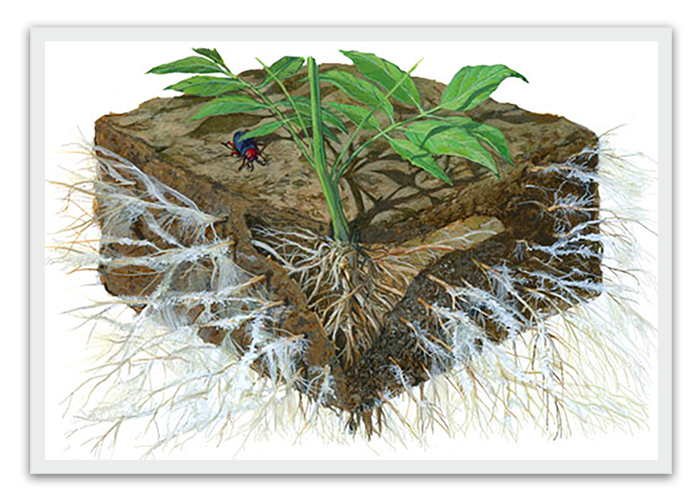
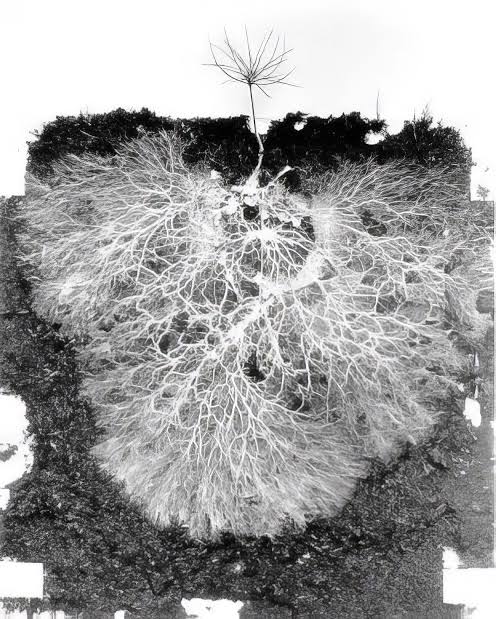
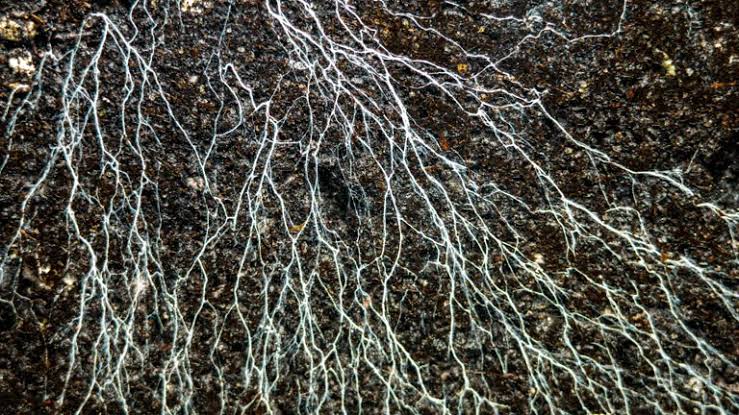
Mycorrhizal fungi are underground partners of your plants. Once they attach to plant roots, they form a network structure like thread (called hyphae) that reach deep into the soil. These hyphae act like super absorbers, pulling in water, phosphorus, and other essential nutrients that roots can’t reach by their own.
In return, the fungi get sugars and carbs from the plant. So It’s a win-win example of natural teamwork.
Top Benefits of Using Mycorrhizal Biofertilizer
Read this, and get to know why farmers and gardeners are switching to mycorrhizal biofertilizers:
- Improved Nutrient Absorption: Especially phosphorus and micronutrients like zinc and copper.
- Better Water Retention: Reduces the need for frequent watering.
- Stronger Roots: Plants grow deeper roots and become more resilient.
- Less Need for Chemical Fertilizers: Saves money and protects the environment.
- Better Crop Yields: Healthier plants mean more fruits, vegetables, or flowers.
Whether you’re growing tomatoes on a balcony or managing a whole farm, this biofertilizer offers a natural benefits to crops and plants.
Uses of Mycorrhizal Biofertilizer in Agriculture and Gardening
Mycorrhizal biofertilizer works with a wide range of plants. It’s commonly used for:
- Vegetables like tomatoes, peppers, and carrots
- Fruits such as strawberries and citrus
- Cereals like wheat and corn
- Trees including mango, neem, and oak
- Indoor and outdoor ornamentals
Gardeners often use it during transplanting or seedling stages. Farmers apply it during sowing or mixing it with compost.
Mycorrhizal Biofertilizer Prices in 2025: What to Expect?
The price of mycorrhizal biofertilizer depends on the brand, quantity, and concentration. As of 2025:
- Small packs (250g to 500g): ₹150–₹400
- Bulk packages (5kg to 10kg): ₹800–₹2,000+
- Liquid formulations: May vary based on concentration and carrier liquid
The given amount are tentative. Although it may seem slightly costlier than regular fertilizers, the long-term benefits make it a worthy investment, especially for organic or low-budget natural farming.
Mycorrhizal Biofertilizer vs. Chemical Fertilizers
| Feature | Mycorrhizal Biofertilizer | Chemical fertilizer |
| Natural | Yes | No |
| Boosts root growth | Yes | Not significantly |
| Improves soil health | Yes | Often depletes soil quality |
| Long-term benefits | Yes | Mostly short-term |
| Eco-friendly | Absolutely | Can harm ecosystems |
In short, mycorrhizal biofertilizer isn’t just an alternative but a smarter choice for sustainable farming and gardening.
Conclusion: Why You Should Switch Today
If you’re someone who cares about the planet, your crops, or your home garden—mycorrhizal biofertilizer is a game changer. It’s affordable, easy to use, and super effective. More than just a trend, it’s a step toward greener, healthier agriculture.
Next time you think of buying fertilizer, make the natural switch, your soil and your plants will thank you.


Leave a Reply