
Kitchen, one of the major contributor towards plastic pollution. Did you know that over 300 million tons of plastic waste is produced globally every year and nearly half of it are single use.
I have tried all 3 of them, more than 3 years, and yes I really enjoyed, feel good (as this fits on my budget), shows primium feel and made more serious step towards being eco friendly.
Making small changes in your kitchen can lead to big environmental positive win. That’s why I am sharing this three things which can make kitchen plastic free. The 3 common materials are:

Reusable silicone storage bags
Plastic ziplock bags might be convenient to use, but they’re terrible for the planet and yes your health too, as it releases microplastic.
Reusable silicone storage bags are a modern, eco-friendly product made from food-grade silicone, these bags are BPA-free (means Bisphenol-A, an industrial chemical), heat-resistant, and safe for microwaves, freezers, and even boiling water.
They’re perfect for storing leftovers, packing lunches, or freezing fruits. Look for bags with sliders or pinch-lock seals to ensure leak proof performance.
You’ll be surprised how one silicone bag can replace hundreds of single use plastic in its lifetime.
Customer review
Customers find the storage bags well-constructed and useful. They like the design, freshness, long lasting and no stain during storage and removal.
Try this bestselling silicone storage bag on Amazon here.
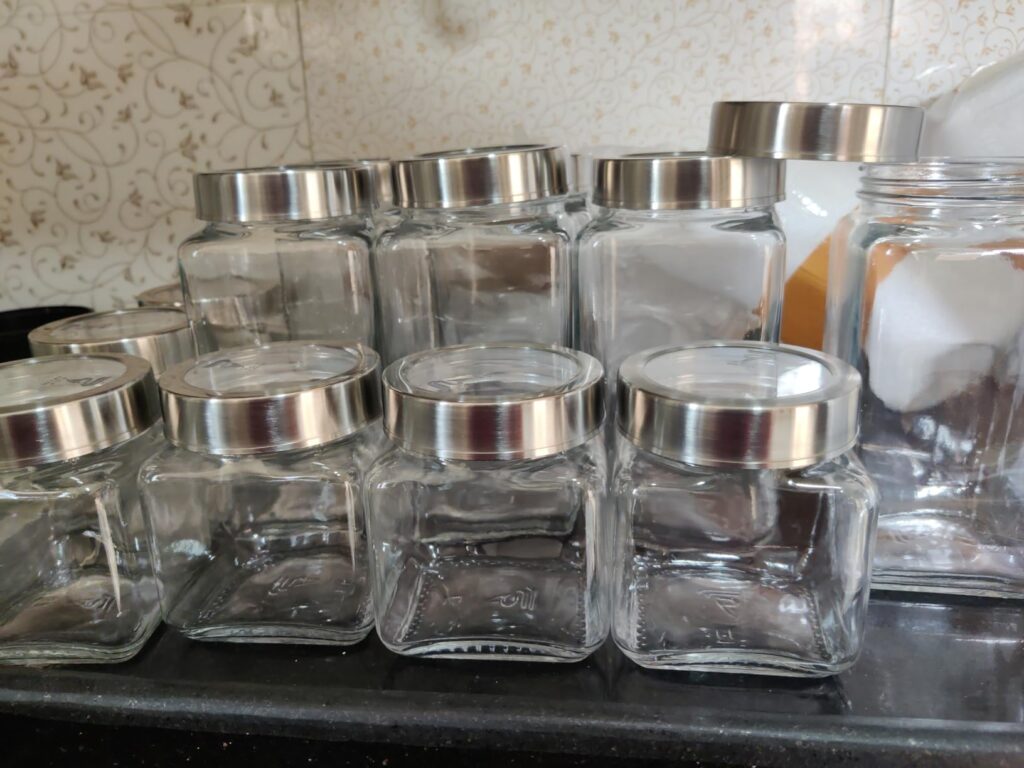
Glass Containers: Durable and Stylish
According to a 2023 consumer study, over 60% of eco-conscious households now prefer glass instead of plastic for food storage.
When it comes to storing food safely, glass containers are hard to beat. Glass doesn’t leach harmful chemicals, stain, or absorb smells like plastic. Additionally, they’re safe for dishwasher, microwaveable, and yes incredibly long-lasting.
Whether you’re meal preparation, storing leftovers, or organizing pantry staples, glass containers offer a zero-waste, toxin-free solution, and gives primium feel. Many even come with bamboo or silicone lids for a fully eco-conscious experience.
Customer Reviews
Customers find these glass jars to be of good quality with great glass material, and one customer mentions they’re better than plastic alternatives. The containers receive positive feedback for their design, looks, value for money, and storage capacity, with customers appreciating their air-tightness and clear see-through material.
Check out this top-rated glass container set here.

100% Organic Cotton Produce Bags: The Storage Game-Changer
Organic cotton produce bags are now used for shopping and storage. These lightweight yet strong bags are perfect for carrying fruits, vegetables, grains, or even bread. They’re washable, breathable, and fully compostable at the end of their life.
Many cotton bags are GOTS-certified (Global Organic Textile Standard), meaning they’re made without harmful pesticides and are ethically produced. They help reduce your carbon footprint while giving you a minimalist, clutter-free kitchen aesthetic.
Customer Reviews
Customers find the storage bags to be of good quality, with one mentioning the sturdy drawing strings. They appreciate the storage capacity, particularly for vegetables, and consider them worth the price.
Grab a set of reusable organic cotton bags here and say goodbye to plastic shopping bags for good.
Final thoughts
Switching to eco-friendly kitchen storage isn’t just about saving the planet—it’s about building healthier habits, reducing clutter, and making your home more sustainable. Whether it’s silicone bags for snacks, glass containers for leftovers, or cotton bags for groceries, these small swaps add up to a massive reduction in plastic waste over time.
Remember, you don’t need to change or spend money more on your kitchen overnight. Start with one product—whichever fits your lifestyle best, and start build from there.
Ready to make your first eco switch? Explore the products we’ve mentioned above and take that first step toward a greener, cleaner kitchen!
Have you tried any of these? Let me know in the comments—or share your own favorite eco-friendly kitchen hack!


Leave a Reply