
The world is shifts towards cleaner energy sources, green hydrogen is kept it’s leg in game-changer industries. While it’s already being explored as a zero-emission fuel alternative, its application and uses go beyond and replacing fossil fuels. From transportation to heavy industry and even power generation, green hydrogen has the potential to transform multiple sectors. Here’s a look at some key future applications or uses of green hydrogen and how it could revolutionize the way we use energy.

1. Green Hydrogen in Transportation
One of the most talked-about applications of green hydrogen is its use in as a fuel for vehicles. Hydrogen fuel cell vehicles (FCVs) are already being tested in several countries, but in the future, they could become a mainstream solution for various types of transportation:
- Hydrogen-Powered Cars: Companies like Toyota, Honda, and Hyundai have already developed hydrogen fuel cell cars like the Toyota Mirai and Hyundai Nexo. Unlike battery-electric vehicles (BEVs), hydrogen cars can refuel in minutes and offer longer driving ranges.
- Hydrogen Buses and Trucks: Heavy-duty vehicles require high energy storage capacity, making hydrogen-powered trucks and buses ideal for long-haul transport. Companies like Nikola and Daimler are investing in hydrogen truck technology.
- Hydrogen Trains: Some European countries are already testing hydrogen-powered trains as an alternative to diesel locomotives. These trains are especially useful for routes where electric railways are not feasible.
- Hydrogen in Aviation: Airlines are exploring the use of hydrogen-powered planes, with Airbus working on a hydrogen aircraft expected to be operational by 2035. Hydrogen could significantly reduce emissions in the aviation industry, one of the biggest contributors to carbon pollution.
- Hydrogen in Shipping: Cargo ships run on fossil fuels, which produce massive CO₂ emissions. Green hydrogen or hydrogen-derived fuels like ammonia could be the future of sustainable maritime transport.
Pro Tip: While hydrogen cars are promising, they currently face competition from electric vehicles (EVs). The real breakthrough for hydrogen will likely be in heavy transport, shipping, and aviation, where batteries are less practical.
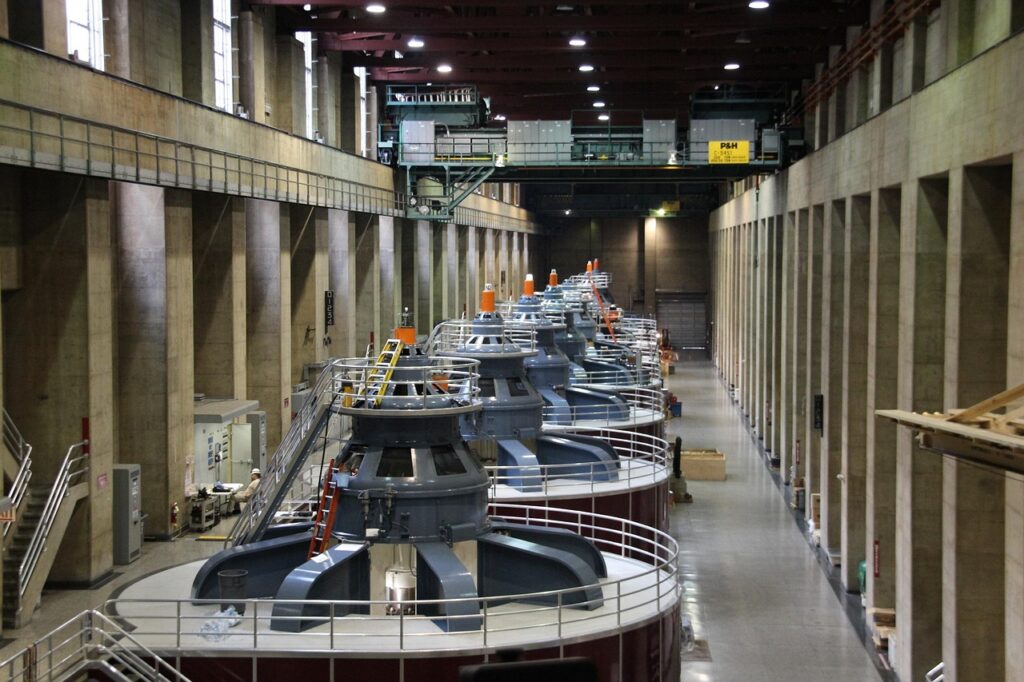
2. Green Hydrogen in Power Generation
Green hydrogen can be used not just as a fuel but as a way to store and generate electricity. Since renewable energy sources like solar and wind are intermittent, hydrogen provides a solution to store excess energy and use it when needed.
- Hydrogen Power Plants: Hydrogen can be used in gas turbines to generate electricity, either alone or mixed with natural gas to lower emissions.
- Hydrogen Fuel Cells: These can be used in homes and businesses as a backup power source, especially in regions with unreliable electricity grids.
Fun Fact: Japan has already built a hydrogen power plant in Fukushima, designed to supply renewable hydrogen for fuel cell vehicles and industrial use.
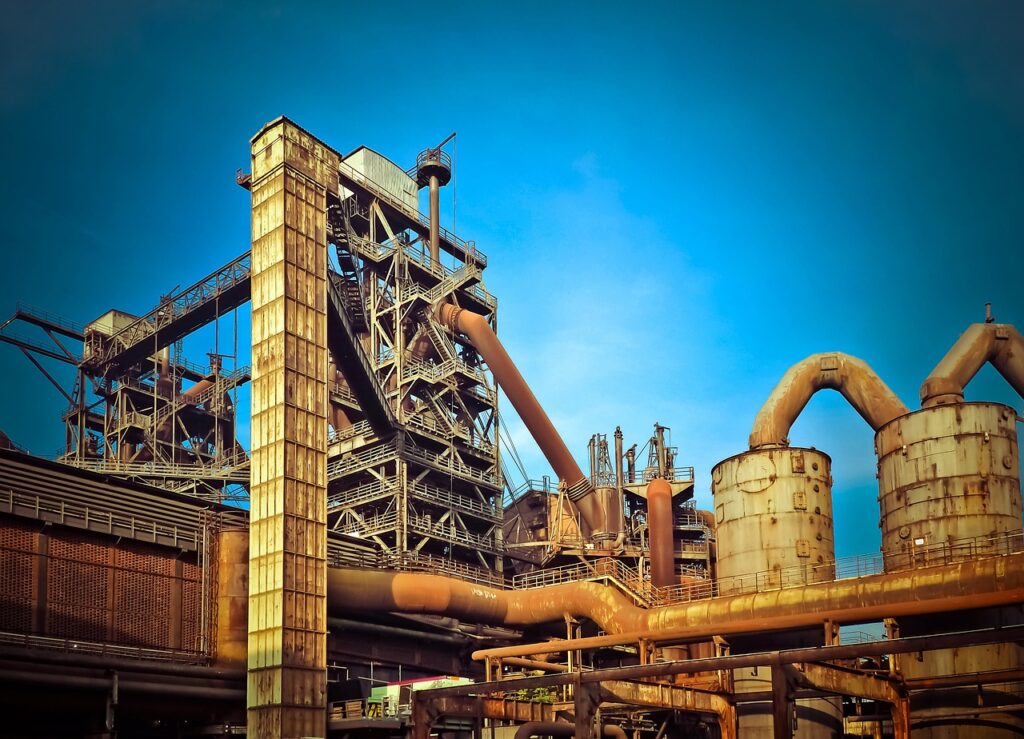
3. Green Hydrogen in Heavy Industries
Industries like steel, cement, and chemicals are some what hardest to decarbonize as they rely full on fossil fuels. Green hydrogen play a critical role in making these sectors more sustainable:
- Hydrogen in Steel Production: The steel industry contributes about 8% of global CO₂ emissions. Replacing coal-based blast furnaces with hydrogen-based direct reduction could significantly cut pollution.
- Hydrogen in Cement Manufacturing: Cement production requires high heat, which is usually generated by burning fossil fuels. Hydrogen can provide an eco-friendly alternative.
- Hydrogen in Chemical Production: Hydrogen is already used in ammonia and fertilizer production, but using green hydrogen instead of gray hydrogen would eliminate emissions from this process.
Did You Know? Sweden recently produced the world’s first fossil-free steel using hydrogen instead of coal.

4. Green Hydrogen for Residential & Commercial Use
- Hydrogen based Heating: Hydrogen could be blended with natural gas for cleaner heating solutions. Some countries are even testing 100% hydrogen boilers for homes.
- Hydrogen Fuel Cells for Homes: These can generate clean electricity and even can heat for residential use, reducing fossil fuels.
- Hydrogen Cooking Stoves: Some companies are developing hydrogen-powered stoves as a greener alternative to LPG gas.
While hydrogen heating and cooking are still in experimental stages, they could become more common as infrastructure improves.

What’s Next?
Green hydrogen is still in its early stages, but its future seems to be promising. As governments and companies are conducting more R&D, hydrogen technology is expected to become cheaper, more efficient, and widely used. Here’s what the future says
1. Falling Costs & Technological Improvements
- The cost of electrolyzers is expected to drop by 60-80% by 2030.
- More efficient and durable fuel cells will make hydrogen more practical.
- Large-scale hydrogen production will bring economies of scale, lowering prices.
2. Expansion of Hydrogen Infrastructure
- More hydrogen refueling stations will be built for vehicles.
- Pipelines for hydrogen transport will expand.
- Countries will develop hydrogen hubs for all in one place.
3. Investment
- Most of countries are investing billions in hydrogen projects.
- Carbon pricing and government subsidies will make green hydrogen more cheaper from fossil fuels.
- International trade of hydrogen will emerge, with many countries for importing and exporting trade.
4. Hydrogen-Powered Cities
- Some cities may adopt 100% hydrogen-based transport systems, reducing pollution.
- Hydrogen could power smart grids, providing clean energy to entire communities.
- Countries with excess renewable energy could become global leaders in hydrogen exports.

Conclusion & Final Thoughts: The Road Ahead for Green Hydrogen
The world is at it’s turning point in this journey toward a sustainable future. As fossil fuels continue to harm our planet and energy demands keep rising, we need solutions that are both clean and practical. Green hydrogen has emerged as one of the most promising alternatives, offering the potential to power industries, transport, and homes without emitting harmful carbon dioxide. But is it really only thing or create questions…


Leave a Reply