
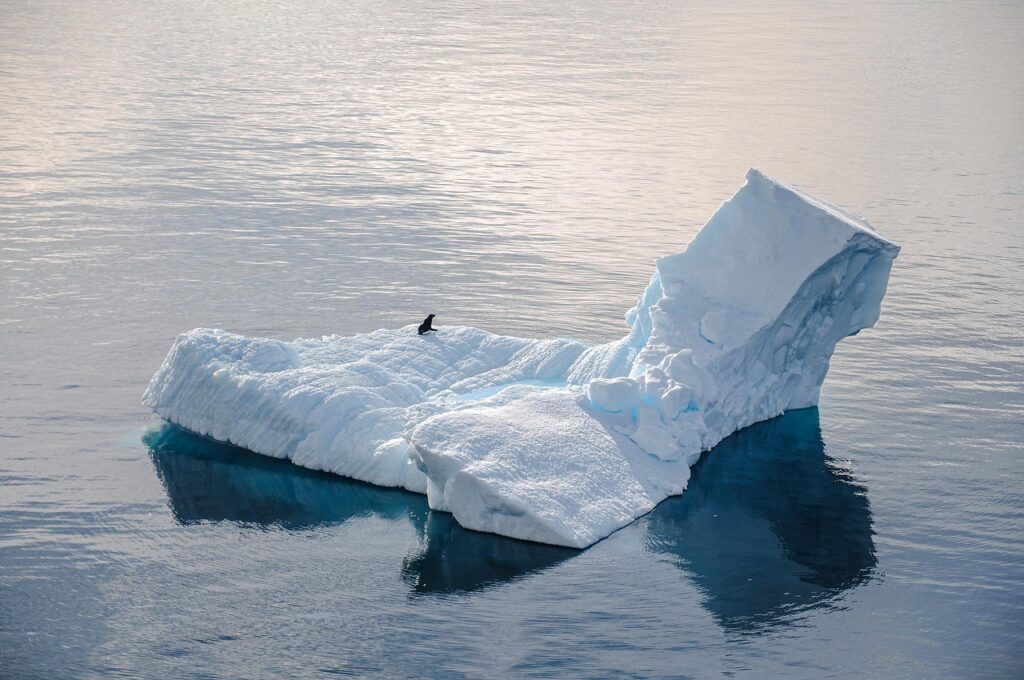
First of all, it is Antarctica not Antartica….
When you think of Antarctica, what comes to mind? White land, penguins around, and bone freezing cold? Sure. But there’s more to this icy giant than just snow and silence. Antarctica is actually one of the most fascinating places on Earth and weirdly enough, it’s also a desert. Yeah, a frozen desert! Plus, it’s the ultimate time capsule, holding clues about our planet’s past, present, and maybe even its future.
Let’s dive into knowledge of Antarctica. It’s not just a place on the map, but the place to go if you want to understand Earth like never before.
Who Discovered Antarctica?

Okay, so who found this frost first? The discovery of Antarctica wasn’t one big moment—it was a series of “Whoa, what is that?” moments by different explorers. The first confirmed sighting happened in 1820, with multiple explorers from Russia, Britain, and the U.S. claiming the title. But it was Fabian Gottlieb von Bellingshausen, a Russian naval officer, who’s often credited with the first official sighting of the Antarctic mainland.
Since then, Antarctica has become a hotspot for researchers, not tourists. It’s still wild, mysterious, and mostly untouched.
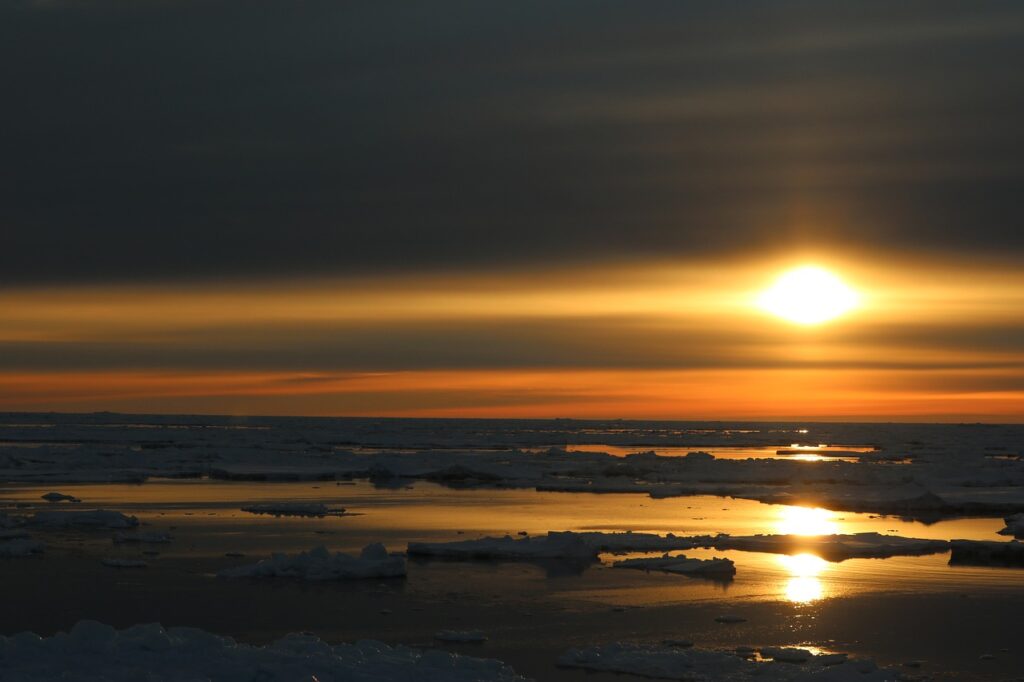
Is Antarctica a Desert? Wait, What?
Yes. It sounds crazy, but Antarctica is technically a desert—the largest desert on Earth, actually. A desert isn’t defined by heat, but by how much precipitation (rain or snow) it gets. And believe it or not, Antarctica gets less than 20mm of precipitation per year in some places. That’s drier than the Sahara!
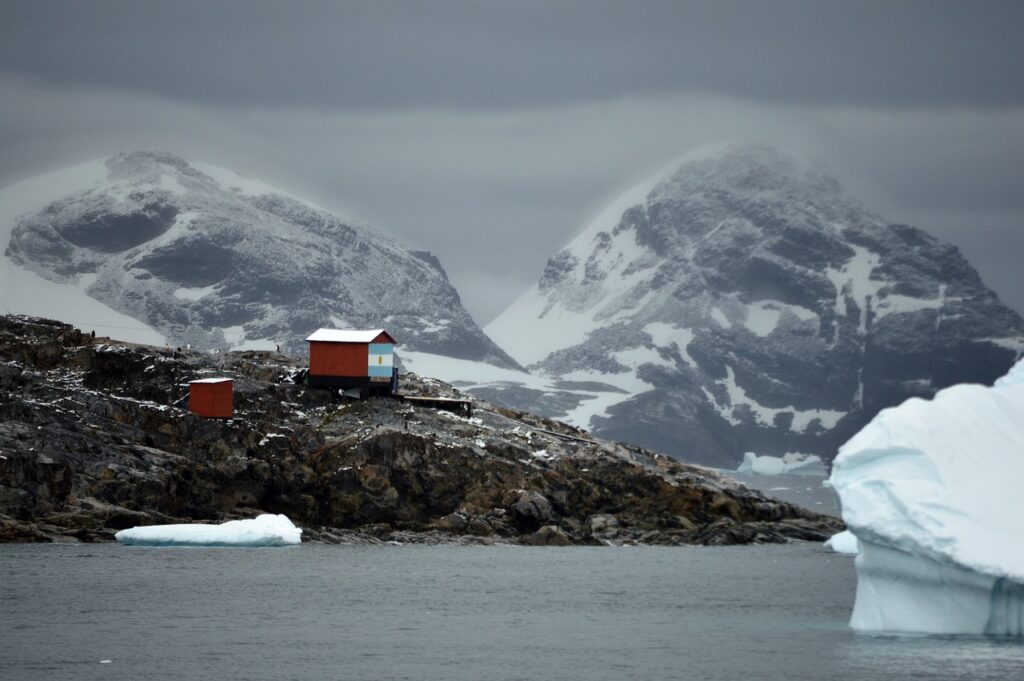
The World’s Geology Trapped in Antarctica
Antarctica is like Earth’s storage unit. Beneath all that ice lies a treasure trove of geological wonders. Rock formations, ancient mountain ranges, and even meteorites from outer space are just chilling there, perfectly preserved. Scientists have even found fossils of ancient plants and animals that suggest Antarctica was once green and warm—like, millions of years ago.
But that’s not all. Ice cores—those long cylinders of ice drilled out from the depths—hold 800,000+ years of climate data. That’s how we know about past ice ages, atmospheric changes, and even volcanic eruptions. It’s like a history book written in ice.
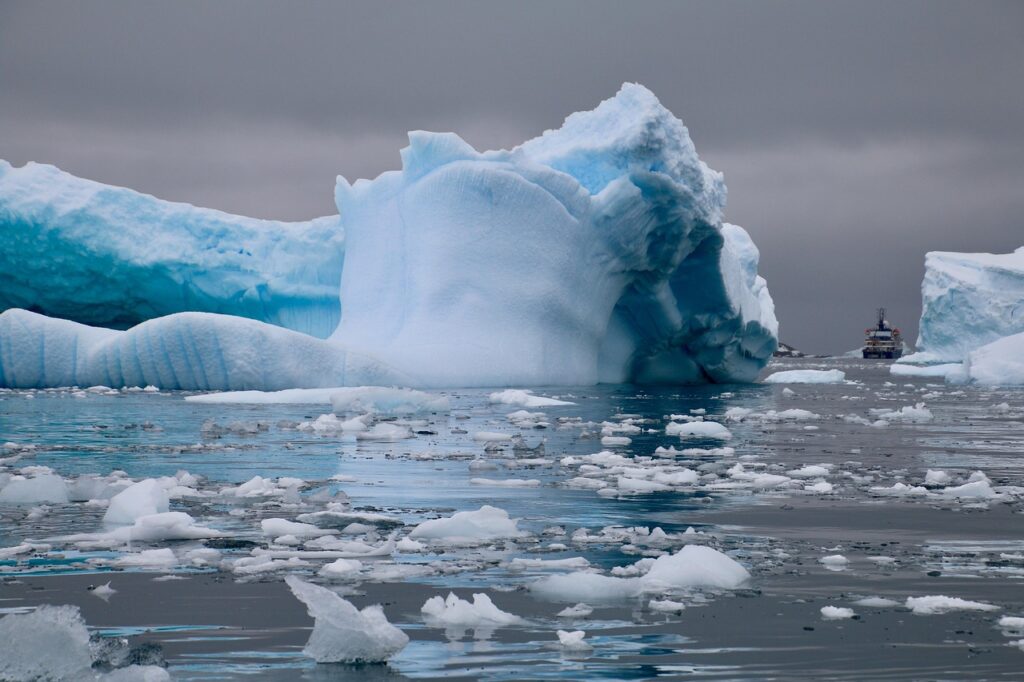
Why Antarctica Is the Place to Go to Understand Earth’s Past, Present, and Future
Antarctica isn’t just about the past—it’s a mirror reflecting what’s happening now and what could happen next.
- Past: Its geology reveals what Earth was like millions of years ago.
- Present: Scientists study Antarctica to track how fast glaciers are melting and how climate change is affecting the planet in real time.
- Future: Rising sea levels? Temperature shifts? Antarctica gives us the data we need to predict what’s coming and maybe we can stop it.
If we ignore what’s happening in Antarctica, we’re ignoring what’s happening to Earth itself.
Final thoughts
So yeah, Antarctica might seem like a cold, empty space at the bottom of the world, but it’s actually one of the most important places on the planet. From who discovered Antarctica, to why it’s a desert, to how it helps us understand Earth’s past, present, and future—this icy continent is full of surprises.
And the next time someone says “nothing’s down there,” hit them with some facts. Antarctica is everything.


Leave a Reply