
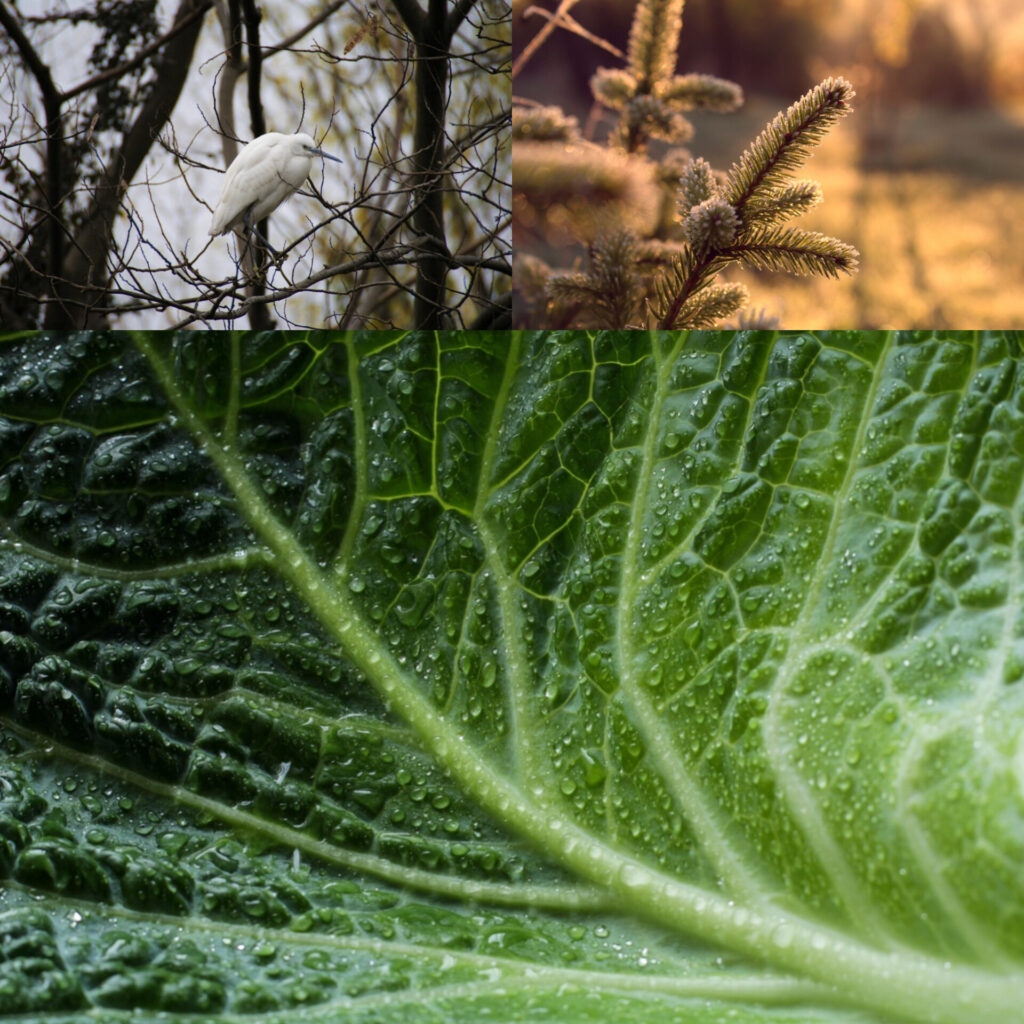
What is the meaning of ecology?
Ecology is a broad topic which covers biotic (living components) it including plants, animals, bacteria, and fungi; abiotic (non living components) such as climate, soil, water, and nutrients and study of it’s relationship in our environment.
To go towards ecology meaning we need to breakdown word into two, “eco” derived from Greek word “oikos” means house and here we are talking about house of environment, nature, and second half word “logy” means study of. So ecology means investigating or learning about how organisms interact within their natural homes and with each other within those homes. In hindi ecology means पारिस्थितिकी (Pāristhitikī). It resembles close meaning. In Hindi this term gives similar study of interaction or relationship between living organisms and their environment.
But now question is who is father of ecology? Who coined the term?
When we think of history of ecology, German biologist Ernst Haeckel is widely credited for this. Haeckel envisioned ecology as the “economy of nature,” emphasizing the comprehensive relationships of organisms to both their organic and inorganic environment.
So the father of ecology is Ernst Haeckel, a German biologist, and popularized the term “ecology” in 1866.
Ecology vs. Ecosystem: What’s the Difference?
Ecology
- Definition: Ecology is the study of how living things interact with each other and their environment.
- Focuses on: Relationships between organisms (like plants, animals, humans) and factors like air, water, soil, climate.
- Example: Studying how pollution affects bird populations in a city.
- Definition: An ecosystem is a specific area where living organisms (plants, animals, microbes) interact with each other and with non-living things (air, water, soil).
- Focuses on: The system itself—how energy flows and matter cycles.
- Example: A forest, a pond, a coral reef—all are ecosystems.
Ecology = The science or study
Ecosystem = The natural system being studied
So, ecology studies ecosystems, or we can say ecosystem comes under ecology, and ecosystems are the real-world examples where ecological interactions happen.
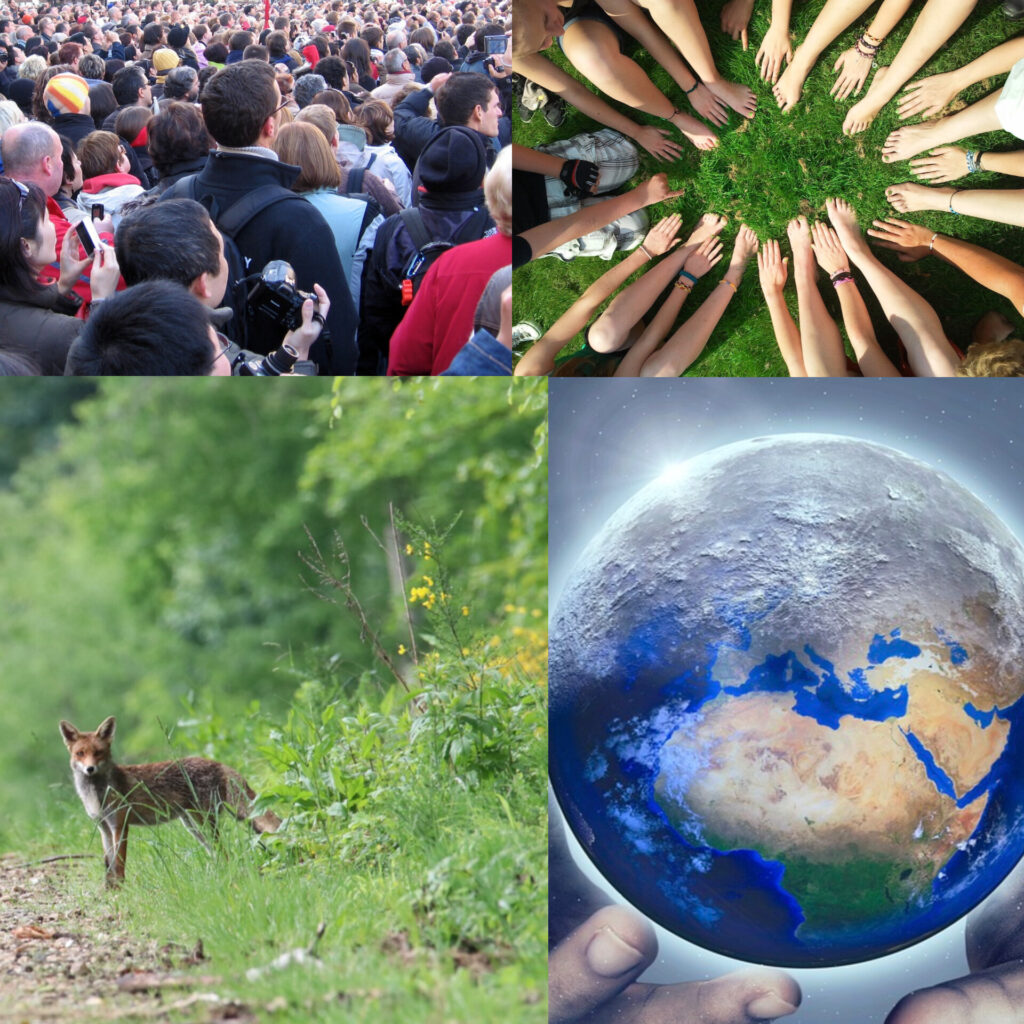
The field of ecology is in broad spectrum which covers around entire environment, and encompasses various level of study. Wide range of topic including
- Population ecology
- Community ecology
- Ecosystem ecology
- Global ecology
Above listed are some of types of ecology it covers more.
Understanding ecology meaning is not just an academic passing, but also fundamental to addressing many of the recessive environmental challenges what we are facing today. Right from conservation biology and managing natural resources to the understanding the impacts of pollution and all climate changes we see, ecological principles provide the framework for informed decision-making and sustainable practices.


Leave a Reply