
Green hydrogen as we earlier discussed, it has the potential to revolutionize the energy sector, but like any emerging technology, it faces several challenges before it can become a mainstream energy solution. There are technological, economic, and infrastructure-related barriers that need to be addressed.
First let’s learn about key challenges and limitations that could slow down the intake of green hydrogen for world.
Challenge and Limitations
1. High production cost

One of the biggest hurdles for green hydrogen is its high production cost, the main reasons are:
- Expensive Electrolysis Technology: Electrolyzers, which split water molecules into hydrogen and oxygen, are costly to build and operate.
- Renewable Energy Costs: Since green hydrogen relies on electricity from solar, wind, or hydro sources, the overall cost fluctuates depending on energy availability and it’s price.
- Energy Conversion Losses: The process of converting electricity into hydrogen (and back to electricity or fuel) is not 100% efficient, leading to energy losses.
While costs are expected to decline as electrolyzer technology improves and renewable energy becomes cheaper, green hydrogen is still not competitive with fossil fuels in most markets today.
2. Limited Infrastructure for Storage & Transport
Unlike natural gas, green hydrogen lacks the necessary infrastructure which is widely used.
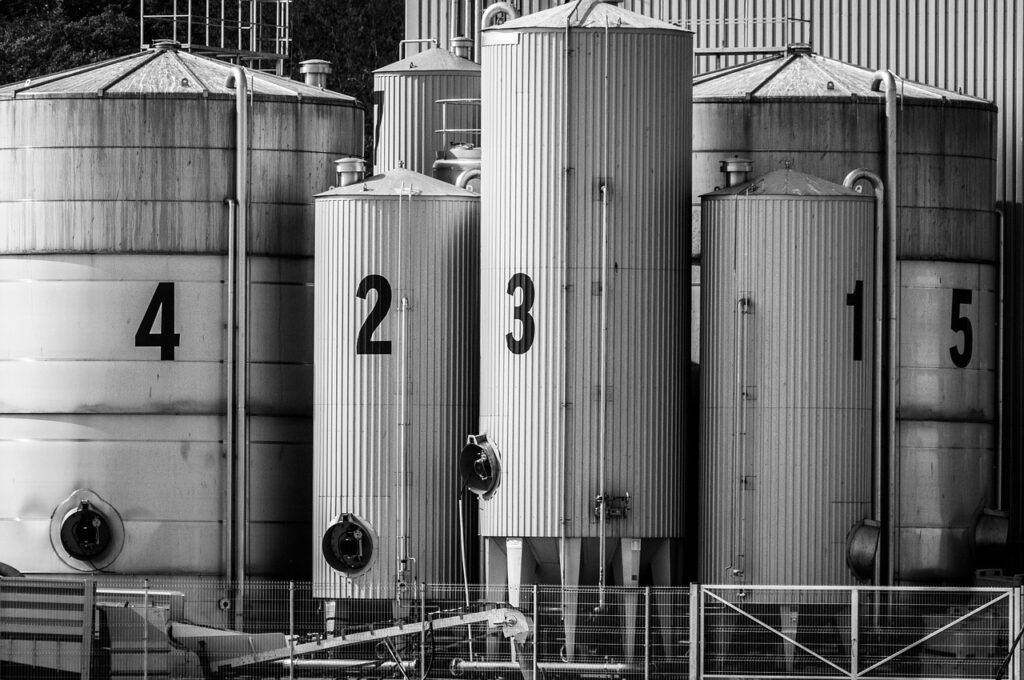
- Hydrogen Storage: Hydrogen is a low-density gas, means it needs to be compressed or liquefied for transport. Also this process requires high pressure and extremely low temperatures (-253°C or -423°F), making storage expensive.
- Lack of Pipelines: As Hydrogen can cause metal embrittlement which can weaken pipelines, so pipelines should be modified or used different.
- Transportation Challenges: Moving hydrogen is more complicated, building dedicated hydrogen transport infrastructure will require major investment and time.
Until infrastructure catches up, green hydrogen will struggle to be a cost-effective and scalable alternative to fossil fuels.
3. Energy Losses & Efficiency Issues
Green hydrogen is often criticized for being an inefficient energy carrier because of multiple energy conversion steps:
- Electricity from renewables is used to power electrolyzers which produce hydrogen, result is only about 70-80% energy efficient.
- Hydrogen is then stored, transported, and distributed which loses additional energy.
- To use hydrogen as fuel, it is either burned or converted back into electricity via fuel cells, and these fuel cells are about 50-60% efficient.
This means that from the original renewable energy input, only about 30-40% of the energy is actually used in the end. In comparison, using renewable electricity directly in batteries (like in electric cars) is much more efficient.
Despite this, green hydrogen is still useful for our applications where batteries are not practical, such as heavy industry, aviation, and long-distance shipping.
4. Water Consumption for Electrolysis
Green hydrogen production requires a significant amount of water.
- To produce 1 kilogram of hydrogen, about 9 liters (2.3 gallons) of water is needed.
- Large-scale hydrogen production could strain water resources, especially in dry regions where freshwater is already limited.
- Seawater electrolysis is being explored as a solution, but the technology is still in its early stages and requires more development.
While water use isn’t a major issue globally, it could create conflicts in water-stressed areas where both drinking water and agriculture compete for limited supplies.
5. Dependence on Renewable Energy Availability
Since green hydrogen production relies on solar, wind, or hydroelectric power, its availability depends on the consistency of renewable energy sources.
- Solar and wind power are intermittent, meaning they don’t always generate electricity when needed.
- Electrolyzers work best with a steady power supply, but renewable energy production fluctuates throughout the day and seasons.
- To address this, hydrogen production may need large-scale battery storage or a backup energy source, but both increase costs.
Region with abundant renewable energy (strong solar or wind potential) have an advantage, but others areas may struggle to produce hydrogen consistently.
6. Competition with Other Clean Energy Solutions
While green hydrogen is promising, it is not the only clean energy alternative. In many cases, it competes with electric batteries, biofuels, and direct electrification, which are:
- More efficient (especially batteries for transportation).
- Already widely used (such as electric cars and wind/solar power grids).
- More cost-effective at present.
For Examples, today’s world
- In passenger cars, battery-electric vehicles (BEVs) are currently more practical than hydrogen fuel cell vehicles because charging infrastructure is more developed.
- In home heating, direct electrification using heat pumps is often a better option than hydrogen-based heating.
- In power generation, hydrogen may only be needed as a backup energy source rather than a primary energy solution.
This doesn’t mean green hydrogen won’t play a crucial role in the clean energy transition. It will likely be most useful in industries and applications where batteries or direct electrification are not feasible.
Despite these challenges, governments and industries are investing heavily in green hydrogen technology, with the hope that future advancements will make it a cost-effective and mainstream energy solution.
In short, while fossil fuels have dominated the energy industry for centuries, green hydrogen is positioning itself as a clean, efficient, and limitless alternative. The only question is—how soon green hydrogen can we scale it up?


Leave a Reply