

You’re wearing one right now. Maybe it’s your favorite oversized t shirt for lounging. Or that sleek black one you just bought online because it was on sale. But here’s a question that’ll mess with your head—is your t shirt actually more harmful to the planet than a car?
Sounds crazy, right? But once you learn what goes into making a single t shirt, you might never look at your wardrobe the same way again.
Your T-Shirt’s Dirty Little Secret
When you pick up a fresh t shirt from a rack, it looks clean, smells like a new store, and feels soft. But behind that softness is a trail of pollution that starts from the cotton field and ends in a landfill—or worse, in the ocean. Did you know it takes around 2,700 liters of water to make just one t shirt? That’s enough drinking water for one person for almost 3 years.
And that doesn’t even include the pesticides used to grow the cotton or the toxic dyes dumped into rivers. All this, just to make a t shirt that you might wear twice and forget.

Fast Fashion Brands Are Fueling the Problem
You see an ad: “Buy 3, Get 2 Free!” You click. You buy. You wait for your new t shirt haul. Welcome to the cycle of fast fashion brands, where the goal is to sell more clothes, faster, and cheaper—without thinking about the cost to the planet.
The problem? These t shirt factories often use underpaid labor, harmful synthetic materials, and pump out thousands of pieces that end up being burned or thrown away within months. Your t shirt might cost ₹300, but its environmental price tag is way higher.
Oversized T Shirt = Oversized Impact?
Oversized is in, no doubt. Everyone loves the comfort of a baggy, breathable oversized t shirt. But here’s something to chew on: it uses more fabric, more water, and more energy to produce. That one t shirt trend you love may be doubling its carbon footprint, especially if it’s being mass-produced by fast fashion giants.
We’re not saying don’t wear an oversized t shirt—just know what it costs the environment when you chase every trend without thinking twice.

Where Does Your T Shirt Go When You Toss It?
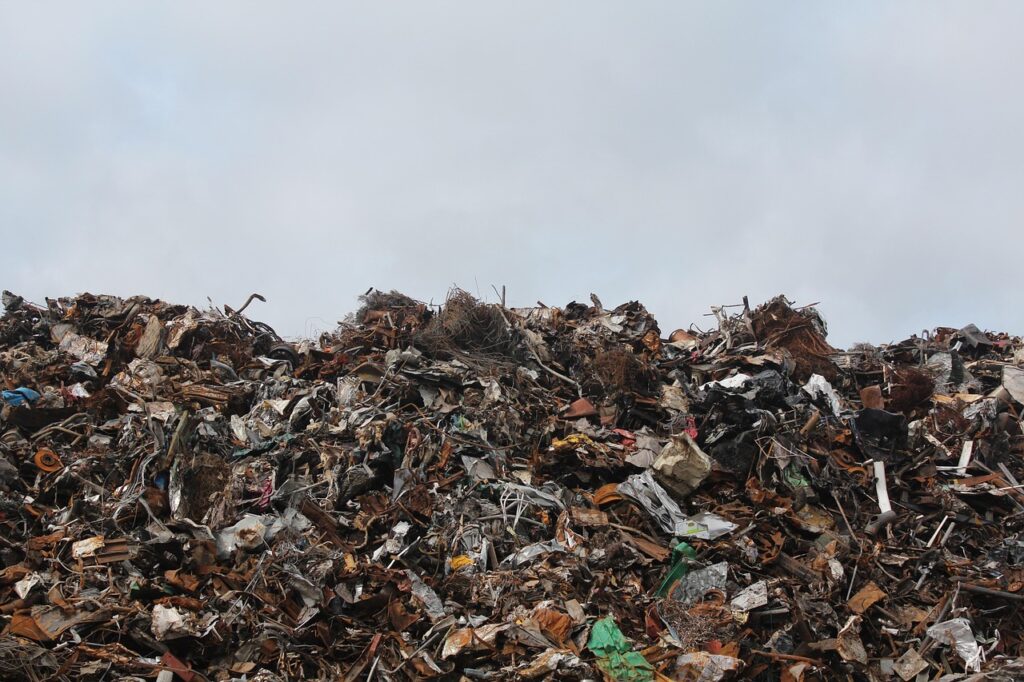
Let’s say your favorite t shirt gets a rip. Or you’re just over it. What happens next? Most people throw it away. But here’s the twist—only 1% of clothes are actually recycled into new ones. That means your t shirt might spend the next 200+ years in a landfill, releasing methane and microplastics into the soil and air.
So yeah, your old t shirt doesn’t just disappear. It becomes part of a growing problem we can no longer ignore.
Can a T Shirt Ever Be Truly Eco-Friendly?
Good news: not all t shirt options are doom and gloom. Some brands are stepping up with organic cotton, natural dyes, and ethical labor practices. A few even let you return your worn-out t shirt for recycling or reuse.
If you really love wearing a classic t shirt, consider switching to sustainable brands—or better yet, buying second-hand. The less new fabric we demand, the less pressure we put on the environment.
Final Thought: The Next Time You Wear a T Shirt, Think Twice
Your t shirt is more than a piece of fabric. It’s a choice. Every time you buy one, wear one, or throw one out, you’re playing a role in a much bigger story. Fast fashion doesn’t work without us—and it can’t be stopped without us either.
So before your next t shirt purchase, ask yourself: Do I need this? Or am I just adding to the problem?
Enjoyed this post or found the tool helpful? You can support the creator, with an optional donation. Every bit helps keep EcoSciHub running sustainably 🌱


Leave a Reply